Motherboards Classification
Motherboards Classification
Motherboards are always the mainframe in a computing platform, whether a server, desktop, or recycled laptop. These interfaces allow the processors, memory, and all other biological peripherals to communicate effectively and thus contribute to the stability and performance of the computer by providing an interface to connect to other devices. As time has passed, the form and features of motherboards have progressed intensely. The initial motherboards were uncertain and short of advanced features like configured graphics and top-tier networking. However, as technology has become more advanced, motherboards have adopted these features, which have enhanced their performance.
Read more about Motherboards Classification
-
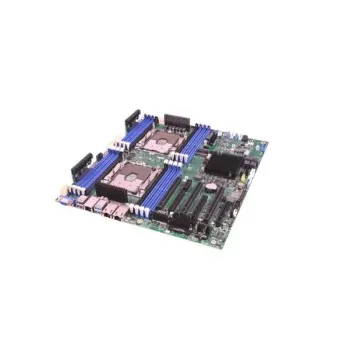
840401-001 - HPE System Board (Motherboard) For ProLiant DL580 Gen10 Server
£1,196.90
Incl. VAT: £1,436.28
Add to Cart
-
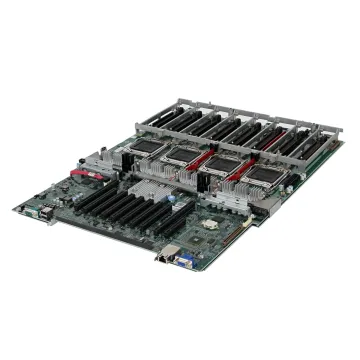
01FH6X - Dell Socket FCLGA2011-3 System Board (Motherboard) for PowerEdge R930
£290.00
Incl. VAT: £348.00
Add to Cart
-
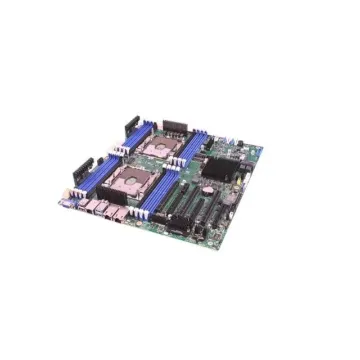
0VC7DK - Dell System Board (Motherboard) For PowerEdge R540
£417.15
Incl. VAT: £500.58
Add to Cart
-
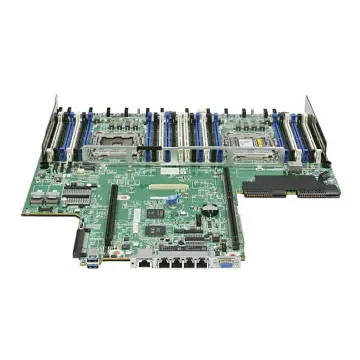
866342-001 - HP Socket SP3 System Board (Motherboard) for ProLiant DL385 Gen10
£1,479.39
Incl. VAT: £1,775.27
Add to Cart
-
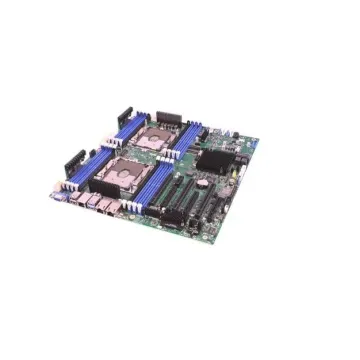
05YC4P - Dell Socket FCLGA3647 Intel System Board (Motherboard) for PowerEdge Server
£421.75
Incl. VAT: £506.10
Add to Cart
-
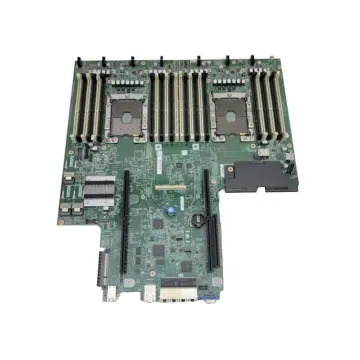
P11781-001 - HP Socket FCLGA3647 Intel System Board (Motherboard) for ProLiant DL360 Gen10
£424.30
Incl. VAT: £509.16
Add to Cart
-
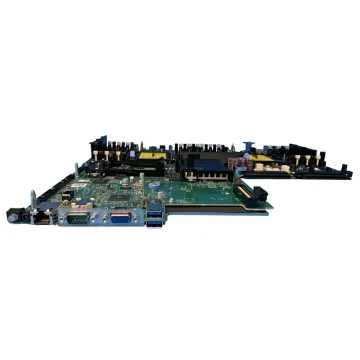
1YM03 - Dell Socket FCLGA3647 System Board (Motherboard) for PowerEdge R740 R740XD
£618.43
Incl. VAT: £742.12
Add to Cart
-
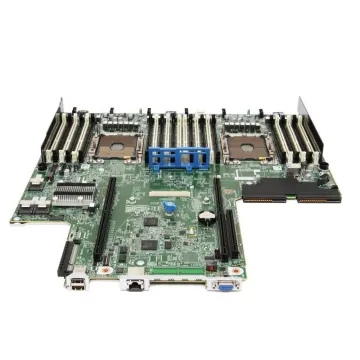
P19926-001 - HP Socket FCLGA3647 Intel System Board (Motherboard) for ProLiant Server Supports 2x Xeon Series DDR4 24x DIMM
£475.00
Incl. VAT: £570.00
Add to Cart
-
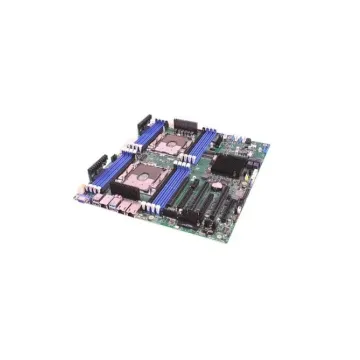
0CWF69 - Dell Socket FCLGA2011-3 System Board (Motherboard) for PowerEdge R830
£209.75
Incl. VAT: £251.70
Add to Cart
-
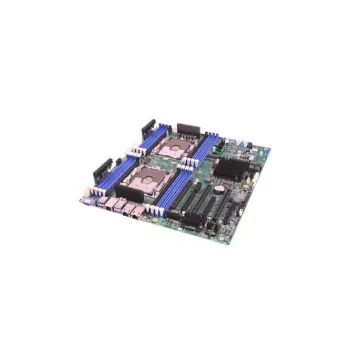
01YM03 - Dell Socket FCLGA3647 System Board (Motherboard) for PowerEdge R740 R740XD
£683.12
Incl. VAT: £819.74
Add to Cart
-
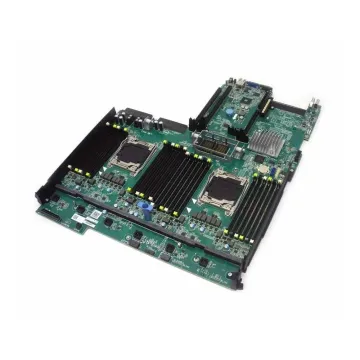
0VVT0H - Dell System Board (Motherboard) for PowerEdge R830
£207.50
Incl. VAT: £249.00
Add to Cart
-
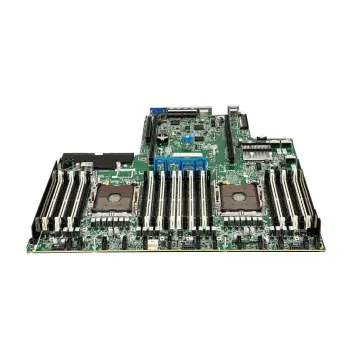
P19327-001 - HP System Board (Motherboard) for ProLiant DL360 G10
£662.05
Incl. VAT: £794.46
Add to Cart