Every electric power system has a classification based on its purpose, usage, capabilities, and even shortcomings. Such classification makes it easier to design, execute, and adapt specific power projects without compromising safety and system proficiency. Also, proper management of energy usage helps organizations protect equipment from overloading or prevent their devices from malfunctioning.
Power Supplies
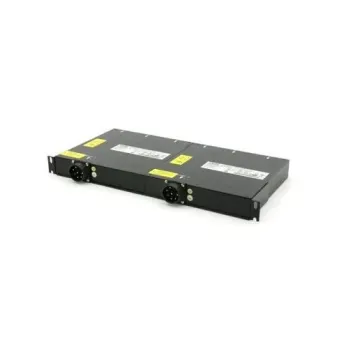
Power supplies are also necessary devices of power systems. A good power supply transmits electric energy from external sources to one or more electric loads. Furthermore, they change the electrical energy from a source into power that is at the correct voltage, current, and frequency needed. Additionally, power supplies are parts of virtually all electronic devices, from household appliances to industrial machinery.
Qualities and Usages
- Control of Voltage: Outputs the desired voltage consistently, even when faced with fluctuations in input voltage or load, all the while safeguarding delicate machinery.
- Productivity: Advanced power supplies sustain depleted levels of energy as well as heat emissions, economically and environmentally favourable.
- Protection Methods: Devices are built into a wide range of dimensions and shapes for particular purposes. As well, these include sleek forms for consumer appliances and important units for industrial-grade appliances.
- Efficiency: Additional features aimed at protection from overvoltage, overcurrent, and short circuits increase the security and constancy of the attached devices.
Uninterrupted Power Supplies (UPS)
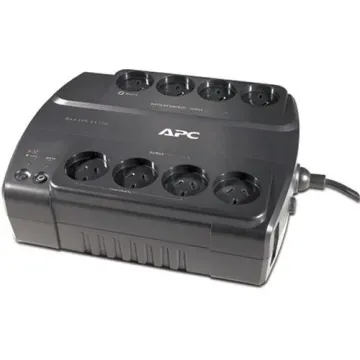
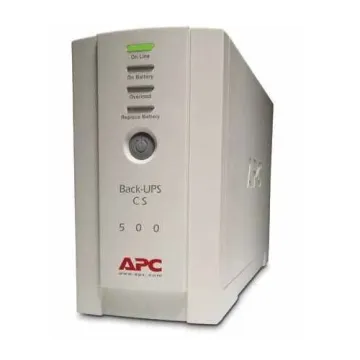
An uninterrupted power supply is exemplified in items that are used when the core energy source does not perform as it should, intended to provide a seamless and smooth running of core equipment during power loss. Besides, this protects against data and machinery damage as well as keeps the business running easily.
Features and Applications
- As they help servers, medical devices, and communication systems to remain functional through power cuts, this guarantees that your business or organisation will never be disrupted.
- Also gives good and safe energy to sensitive machinery by removing all energy surges, spikes, and noise.
Types of UPS Systems
Basic Types of Uninterruptible Power Supplies (UPS)
- Standby (Offline) UPS: It gives direct protection, which is best suitable for PCs and home office devices.
- Line-Interactive UPS: helps in regulating voltage, and that makes them suitable for smaller businesses.
- Online (Double-Conversion) UPS: It gives supreme class defence by continuously converting incoming AC power to DC and then back to AC. As a result, this type of UPS is ideal for critical usage equipment.
- Their scalability enhances long-term sustainability by ensuring a sufficient power supply at all times.
Power Distribution Units (PDUs)
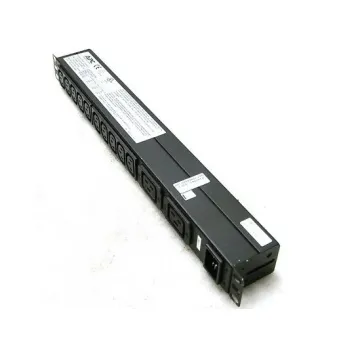
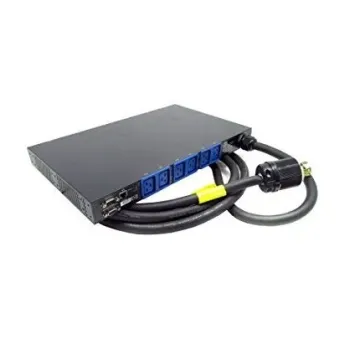
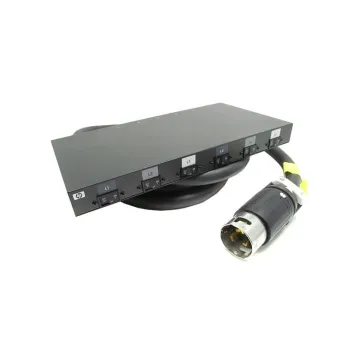
Power distribution units (PDUs) are another amazing equipment that are utilised for operational power management and distribution within a server room or data centre. Additionally, they are important in distributing and controlling power flow to servers, network equipment, and even other devices.
What Are the Important Qualities and Use Cases of Power Distribution Units?
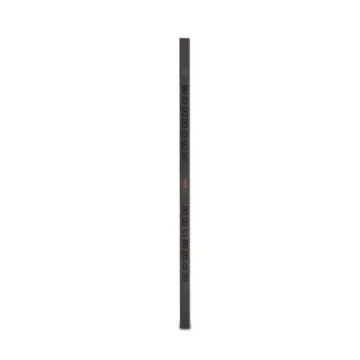
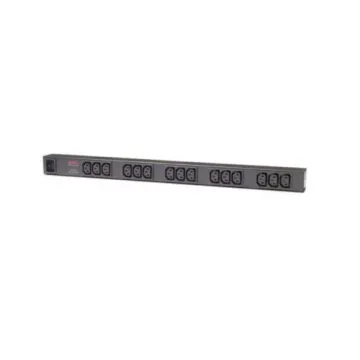
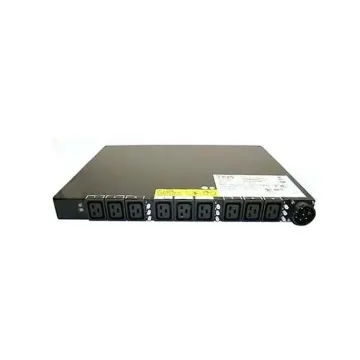
- Rack-Mounted PDUs are PDUs that mount directly onto equipment racks; they organise power flow into the server rooms and data centres.
- Floor-mounted PDUs are useful with big setups needing to support a high-power output.
- Intelligent (smart) PDUs help administrators control energy consumption by allowing the action of remote monitoring, energy metering, and weather over the surroundings.
Maximising Performance with Advanced Power Solutions
- Load Balancing: Maintains an even balance of power throughout the devices, thus preventing circuit overloads while improving system stability.
- Scalability: The devices can be modified easily to suit increasing power demands, which makes them flexible in ever-changing situations.
- Enhanced Safety: Uses circuit breakers and surge protectors to defend against electrical faults.
Integrating Power Components for Optimal Performance
A long-lasting and well-organised power structure can be achieved by combining other components like these:
- Collaboration: It is crucial to choose suitable power supplies, UPS systems, and PDUs that are appropriate for the specifications of the equipment. Proper melding is most important.
- Monitoring and Management: In addition, intelligent PDUs and UPS systems that are connected to the internet make it easier to monitor and manage power usage, ensuring that maintenance is done proactively and energy is optimised.
- Redundancy: Backup power supplies and UPS systems can be used as additional protection to guarantee continued operation if the primary source fails.
- Environmental Considerations: Intelligent PDUs and modern energy-efficient power supplies help cut costs and are in line with sustainability goals.
Therefore, power classification and the similar roles of power supplies, UPS systems, and PDUs are considered very important to manufacturing effective and durable electrical infrastructures. So, by selecting and integrating these mechanisms perfectly, any organisation can get continuous operation, protect sensitive equipment, and even experience optimised energy usage. So, if you are looking for the best and most affordable power classification components, then make sure to buy one through the Bulk Devices, as we have an exceptional collection of these devices.