Motherboards Classification
Motherboards Classification
Motherboards are always the mainframe in a computing platform, whether a server, desktop, or recycled laptop. These interfaces allow the processors, memory, and all other biological peripherals to communicate effectively and thus contribute to the stability and performance of the computer by providing an interface to connect to other devices. As time has passed, the form and features of motherboards have progressed intensely. The initial motherboards were uncertain and short of advanced features like configured graphics and top-tier networking. However, as technology has become more advanced, motherboards have adopted these features, which have enhanced their performance.
Read more about Motherboards Classification
-
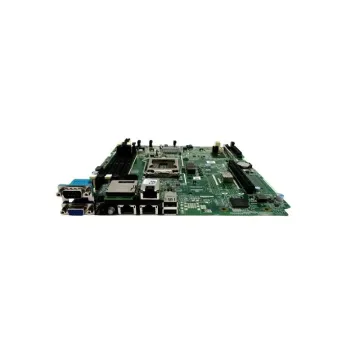
0FRVY0 - Dell System Board (Motherboard) for PowerEdge R230 V4
£82.50
Incl. VAT: £99.00
Add to Cart
-
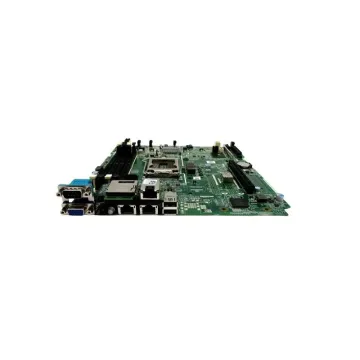
FRVY0 - Dell System Board (Motherboard) for PowerEdge R230 V4
£82.50
Incl. VAT: £99.00
Add to Cart
-
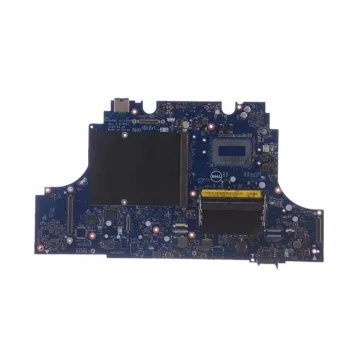
0FVFX8 - Dell System Board (Motherboard) for Precision 17 7710 Series
£175.50
Incl. VAT: £210.60
Add to Cart
-
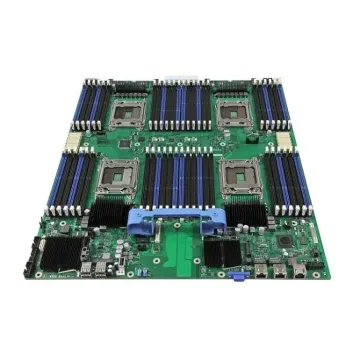
0G1VHV - Dell System Board (Motherboard) for PowerEdge M630 Series
£266.77
Incl. VAT: £320.12
Add to Cart
-
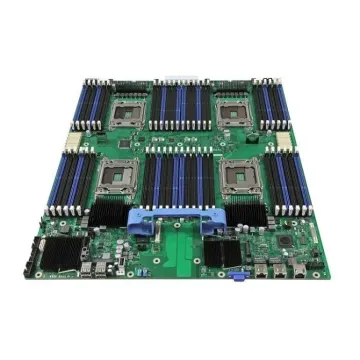
G1VHV - Dell System Board (Motherboard) for PowerEdge M630 Series
£260.55
Incl. VAT: £312.66
Add to Cart
-
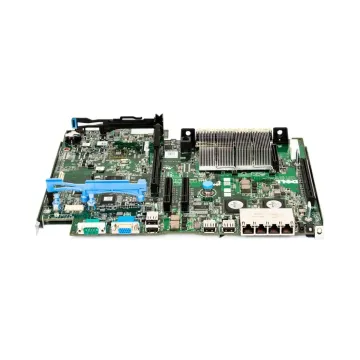
0G2DP3 - Dell System Board (Motherboard) for PowerEdge R715 Series
£127.83
Incl. VAT: £153.40
Add to Cart
-
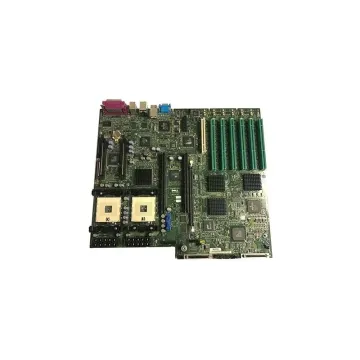
0G3390 - Dell System Board (Motherboard) for PowerEdge 4600
Request For Quotation
-
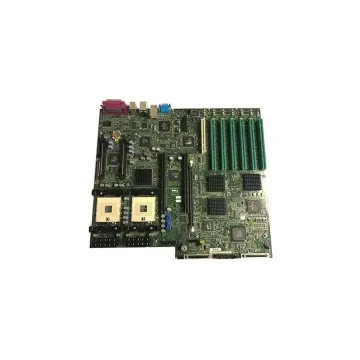
G3390 - Dell System Board (Motherboard) for PowerEdge 4600
£190.41
Incl. VAT: £228.49
Add to Cart
-
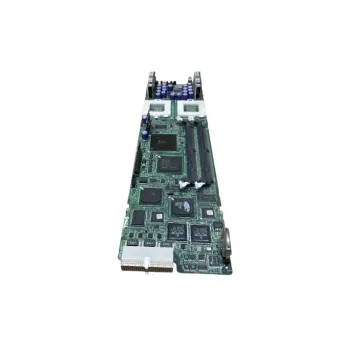
G3705 - Dell System Board (Motherboard) for PowerEdge 1655MC Series
£296.53
Incl. VAT: £355.84
Add to Cart
-
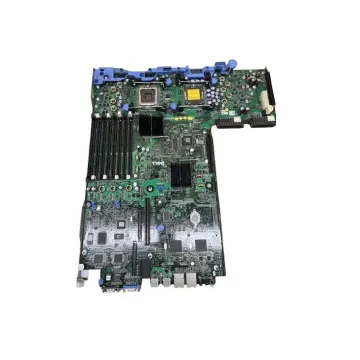
0G640G - Dell System Board (Motherboard) for PowerEdge 2950 G3 Series
£131.63
Incl. VAT: £157.96
Add to Cart
-
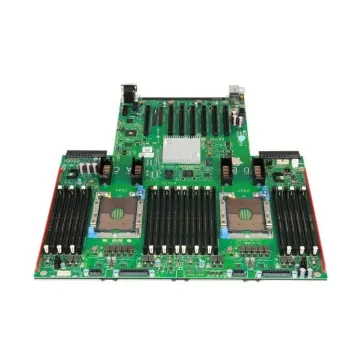
GCTJ1 - Dell System Board (Motherboard) for PowerEdge R940
£356.19
Incl. VAT: £427.43
Add to Cart
-
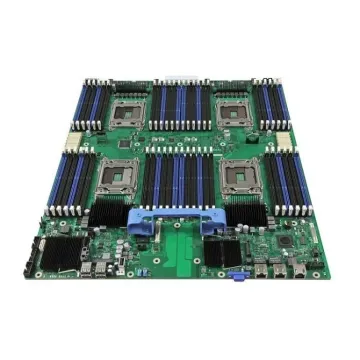
0GK70M - Dell System Board (Motherboard) for PowerEdge R6525
£650.00
Incl. VAT: £780.00
Add to Cart