Motherboards Classification
Motherboards Classification
Motherboards are always the mainframe in a computing platform, whether a server, desktop, or recycled laptop. These interfaces allow the processors, memory, and all other biological peripherals to communicate effectively and thus contribute to the stability and performance of the computer by providing an interface to connect to other devices. As time has passed, the form and features of motherboards have progressed intensely. The initial motherboards were uncertain and short of advanced features like configured graphics and top-tier networking. However, as technology has become more advanced, motherboards have adopted these features, which have enhanced their performance.
Read more about Motherboards Classification
-
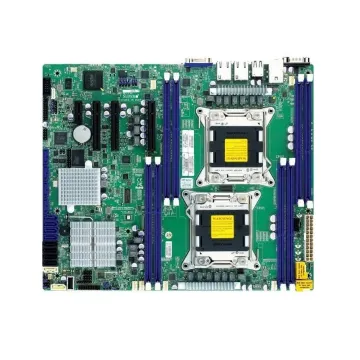
X9DRL-7F - Supermicro Intel Xeon E5-2600 v2 C602-J Chipset ATX Socket R LGA-2011 System Board (Motherboard)
£238.00
Incl. VAT: £285.60
Add to Cart
-
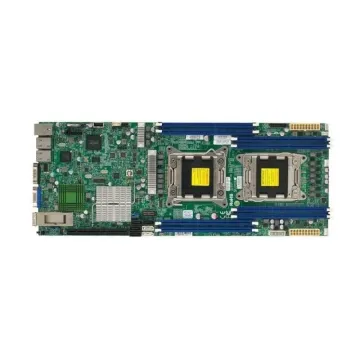
X9DRT-F - Supermicro Intel C602J Chipset Socket R LGA2011 System Board (Motherboard)
£200.68
Incl. VAT: £240.82
Add to Cart
-
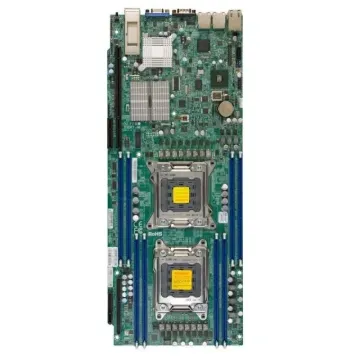
X9DRT-HF - Supermicro Intel Xeon E5-2600/E5-2600 v2 C602 Chipset Dual Socket R LGA 2011 System Board (Motherboard)
£76.70
Incl. VAT: £92.04
Add to Cart
-
X9DRT-HF+ - Supermicro Dual Socket LGA2011 System Board (Motherboard)
£79.00
Incl. VAT: £94.80
Add to Cart
-
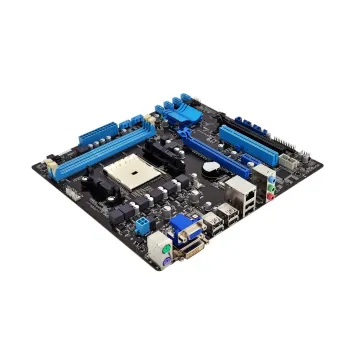
X9DRW-3LN4F+ - Supermicro Intel Xeon E5-2600/E5-2600 V2 C606 Chipset WIO Dual Socket R LGA 2011 System Board (Motherboard)
£141.70
Incl. VAT: £170.04
Add to Cart
-
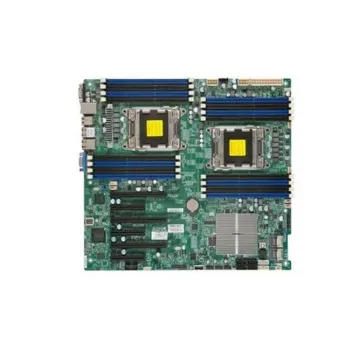
X9DRW-CF31 - Supermicro Intel Xeon E5-2600 v2 C602-J Chipset WIO Socket R LGA-2011 System Board (Motherboard)
£367.05
Incl. VAT: £440.46
Add to Cart
-

X9QRi-F+ - Supermicro Intel C602 Chipset Proprietary Quad Socket R (LGA 2011) System Board (Motherboard)
£587.00
Incl. VAT: £704.40
Add to Cart
-
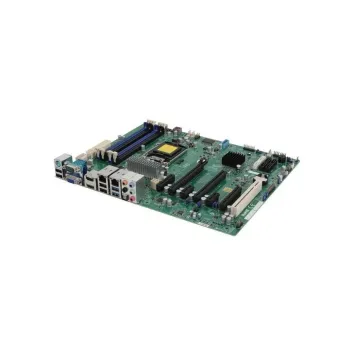
X9SAE - Supermicro Intel Xeon E3-1200 v2 C216 Chipset ATX Socket H2 LGA 1155 System Board (Motherboard)
£215.22
Incl. VAT: £258.26
Add to Cart
-
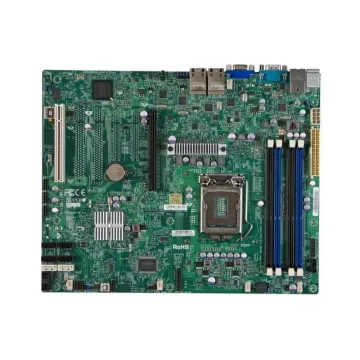
X9SCI-LN4F - Supermicro Intel Xeon E3-1200 v2 C204 PCH Chipset ATX Socket LGA1155 System Board (Motherboard)
£232.53
Incl. VAT: £279.04
Add to Cart
-
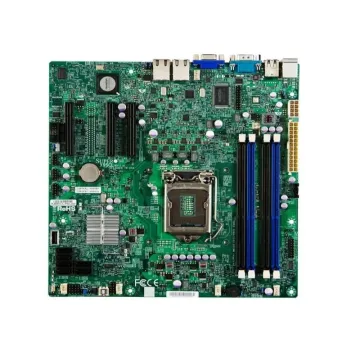
X9SCL-F - Supermicro Intel Xeon E3-1200/E3-1200 v2 C202 Chipset U-ATX Socket H2 LGA 1155 System Board (Motherboard)
£170.36
Incl. VAT: £204.43
Add to Cart
-
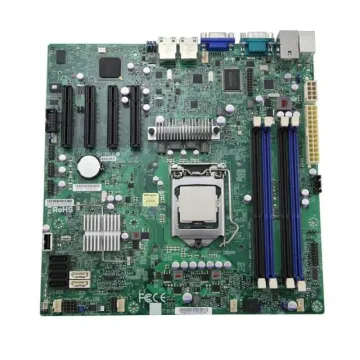
X9SCM - Supermicro Intel Xeon E3-1200/E3-1200 v2 C204 Chipset U-ATX Socket H2 LGA 1155 System Board (Motherboard)
£171.30
Incl. VAT: £205.56
Add to Cart
-
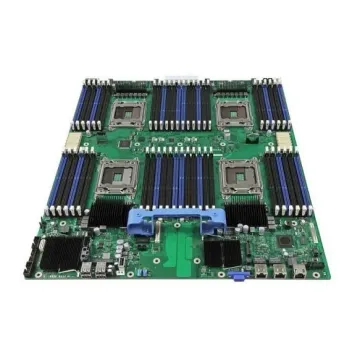
X9SCM-IIF - Supermicro Intel Xeon E3-1200/E3-1200 v2 C204 PCH Chipset u-ATX Socket LGA1155 System Board (Motherboard)
£361.26
Incl. VAT: £433.51
Add to Cart