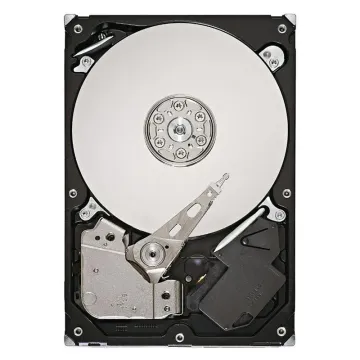
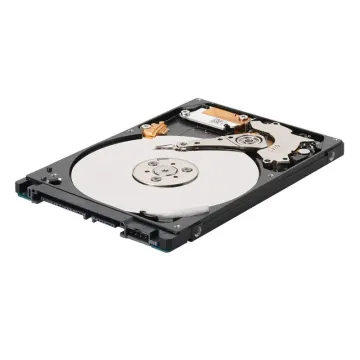
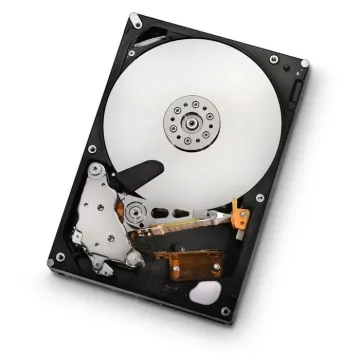
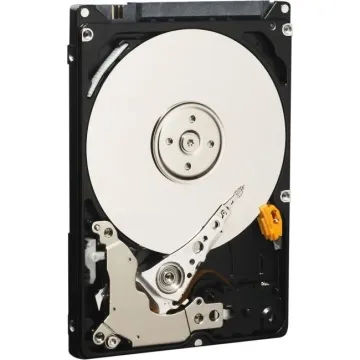
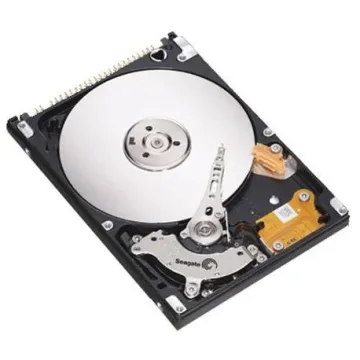
5A320J0
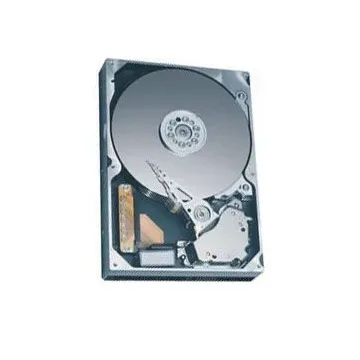
Maxtor 5A320J0 320GB 5400RPM IDE/ATA 3.5-inch Hard Drive
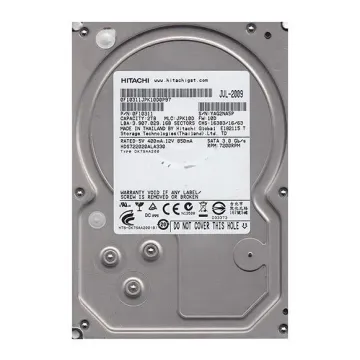
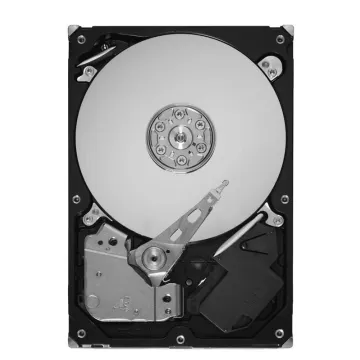
Hitachi 0F10311 2TB 7200RPM SATA 3Gb/s 3.5-inch Hard Drive
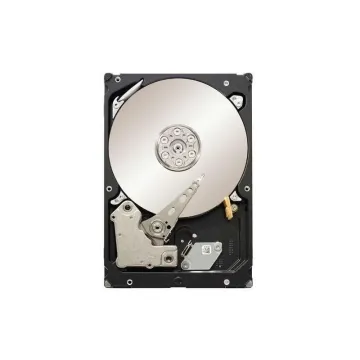
Seagate 9jw152-036 500GB 7200RPM SATA 3Gb/s 3.5-inch Hard Drive
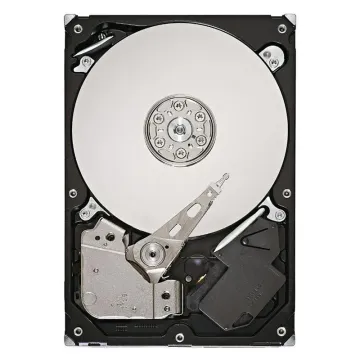
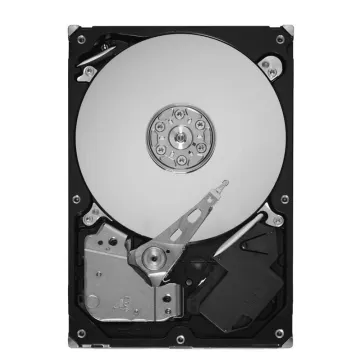
Seagate 9TN154-513 1TB 5900RPM SATA 3Gb/s 3.5-inch Hard Drive
Seagate 9YP154-304 1TB 7200RPM SATA 6Gb/s 3.5-inch Hard Drive
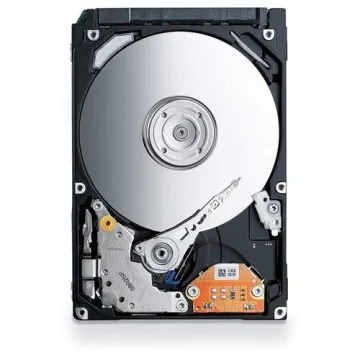
MK5076GSXZ - Toshiba 500GB 5400RPM SATA 3Gb/s 2.5-Inch Hard Drive
IBM 0A33148 250GB 7200RPM SATA 3Gb/s 3.5-inch Hard Drive
IBM 45K0402 160GB 7200RPM SATA 3Gb/s 3.5-inch Hard Drive
601795-001 - HP 320GB 5400RPM SATA 3Gb/s 1.8-inch Hard Drive
IBM 45K0404 320GB 7200RPM SATA 3Gb/s 3.5-inch Hard Drive
608438-001 - HP 750GB 5400RPM SATA 3Gb/s 8MB Cache 2.5-inch Hard Drive
9BH032-750 - Seagate EE25 Series 40GB 5400RPM ATA-100 8MB Cache 2.5-inch Internal Hard Disk Drive
Choosing between internal SSD and HDD storage requires understanding two fundamentally different technologies. HDDs (hard disk drives) are mechanical, with spinning magnetic plates and mechanical read/write heads. For high-capacity backups, media archives, and other standard desktop applications where speed is not of paramount concern, they are still inexpensive. SSD (Solid State Drives) makes use of flash memory, which has none of the moving components found in conventional HDDs, offering virtually instant access time, reduced latency, power efficiency, and shock resistance. For business use, we also have our range of Solid State Drives, which can deliver faster enhancements. Match technology to workload: use SSDs for operating systems and current projects, and HDDs for bulk retention and scheduled data backups.
Choosing internal storage involves aligning device type, workload, and life cycle expectations rather than just maximizing storage capacity. Here are three important criteria for selection.
Scale storage capacity to actual workload demands, ranging from regular office computing and OS deployment to media editing, CAD, virtual machines, and even local backup retention.
Before buying, make sure it is compatible with both the SATA and NVMe standards, as well as M.2, 2.5-inch, and 3.5-inch formats, and that it fits and is supported by the motherboard or chassis.
Think about read/write requirements, drive endurance levels, cache performance, workload metrics, etc., to ensure the selected storage will meet the needs of the intended UK business life cycle.
Choosing the right pc internal storage solutions minimizes downtime, eliminates compatibility issues, and provides greater value throughout the deployment lifecycle. If the drive is properly designed, it will yield for years and years, not months.
Each desktop PC, laptop, and business workstation requires a different combination of internal storage. A typical desktop system will be able to run both 2.5 and 3.5 drives with either an SSD boot drive and a larger HDD capacity. When it comes to tablet and notebook upgrades, try our laptop hard drive selection; laptops may need to fit a smaller 2.5-inch drive or M.2 SSD when space is a concern. Common use cases in the UK involve office PCs equipped with NVMe SSDs for productivity tasks, laptops for remote working that need to store a lot of files with low power consumption, and design workstations that need to store a lot of files in a fast NVMe SSD, whilst also having an economical HDD for archiving.
There are large variations between server internal storage devices and standard consumer drives. Enterprise-class units are designed to run around the clock, over RAID environments, adverse vibration conditions, and long periods of transactional workloads. Organisations in the UK that use enterprise internal storage (EIS) solutions in rack servers, virtualized environments, and database platforms need drives that are more resilient, have error recovery controls, and can tolerate vibration. Common configurations range from high-throughput transactional systems using SAS HDD, enterprise SATA SSD, to NVMe drives for latency-sensitive financial or e-commerce systems. Branded servers like Dell PowerEdge, HPE ProLiant, and Lenovo ThinkSystem are compatible due to the different firmware and drive caddy needs of these systems.
We stock UK-based SSDs, HDDs, and enterprise drives with fast nationwide delivery. Trade buyers and IT professionals benefit from competitive volume pricing and expert specification support. For specialist office equipment replacements, view our printer hard drive range. For performance-focused upgrades, browse our solid-state drives catalogue. For portable device replacements, explore our laptop hard drive collection. Choose reliable internal storage for every deployment.